

Short-Term Work
Working in Germany for up to 90 days
Permitted Work without a Visa
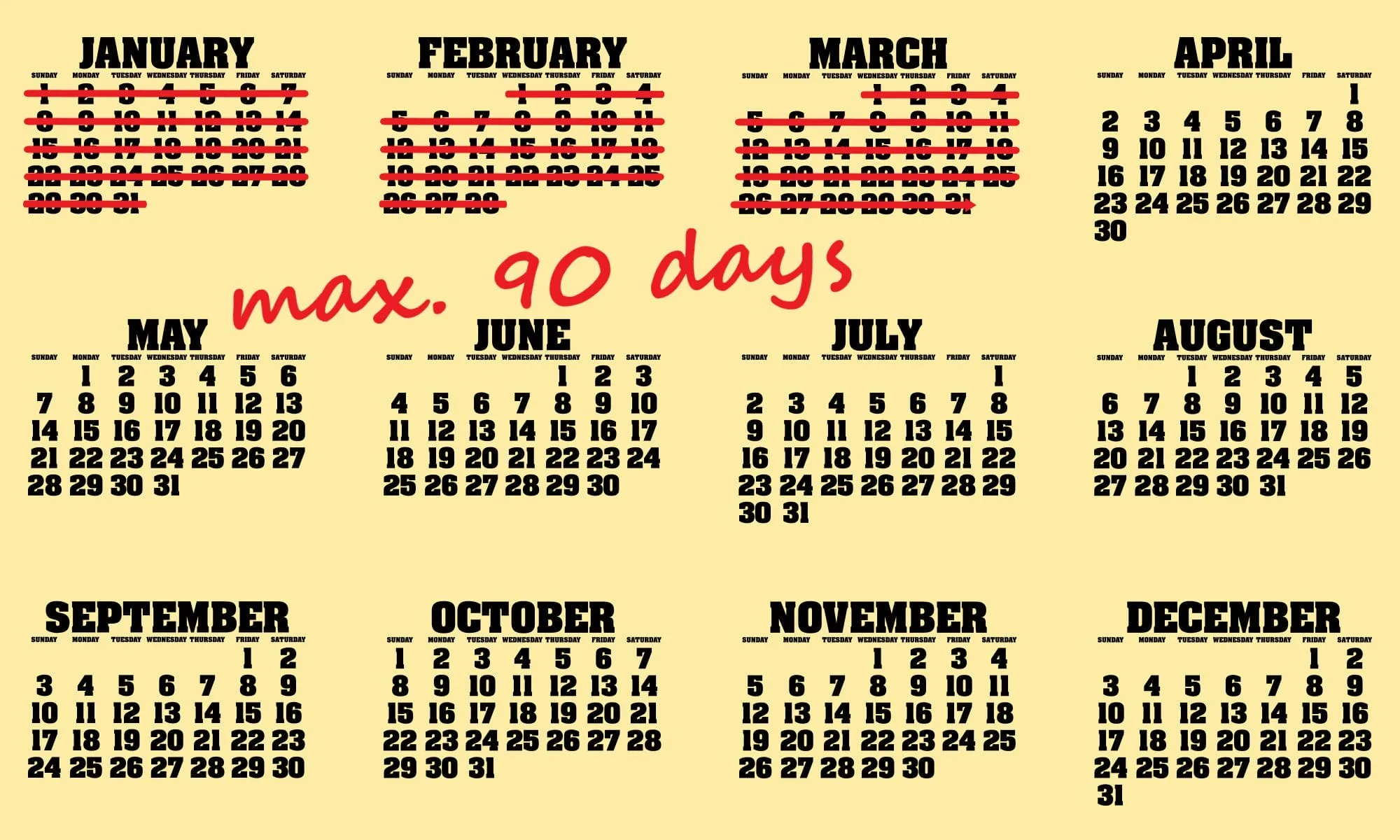
British citizens visiting Germany for a visa-free stay of up to 90 days (in any 180-day period) are generally not allowed pursue any economic activity during this time. However, the following activities aren’t classed as work and are therefore permitted without a visa for up to 90 days in any 180-day period, provided you’re employed in the UK:
- Attending meetings and conferences;
- Meeting colleagues, contractors, sellers, suppliers or customers;
- Negotiating deals or contracts;
- Presentations to potential clients or customers;
- Attending trade fairs;
- Team building activities;
- Attending job interviews;
- Visiting your employer headquartered in Germany if you are an employee based outside Germany;
- Establishing, supervising or monitoring the German part of a company headquartered outside Germany.
You’re also exempt from the ban on economic activity while in Germany if you belong to one of the following groups, provided the total duration of your work in Germany doesn’t exceed 90 days in any 12-month period:
- Employees of an international company or group attending training events in Germany provided by the same company or group;
- Academic staff, including scientists, technicians, and engineers, working at research or higher education institutions;
- Language teachers working at higher education institutions;
- Teachers working at state and approved private schools;
- Journalists employed in the UK and living outside Germany;
- After-sales service, such as installing software or machinery, or completing technical maintenance, repairs and training, provided the employer has submitted a notification to the German Federal Employment Agency in advance;
- People speaking, lecturing or performing in science, the arts, entertainment or sports, and those assisting them, provided their regular residence remains outside Germany;
- People working at special cultural or musical events or festivals, or in the film and television industry;
- Travel guides accompanying tourist groups to Germany, provided their regular residence remains outside Germany;
- Interpreters required at meetings and discussions in Germany, provided their regular residence remains outside Germany.
Please note that these lists are not exhaustive and provide only a general overview. You can find details on the websites of the UK Department for Business and Trade and the German Missions in the UK. For advice on specific cases, please contact the German Consulate General in Edinburgh (if you live in Scotland) or the German Embassy in London (if you live in any other part of the UK).
Schengen Visa
If your work while in Germany for up to 90 days doesn’t fall into any of the categories listed above, you’ll need a Schengen visa for short-term economic activity.
Requirements for this type of visa include:
- A return airline, ferry or train ticket;
- Travel health insurance covering at least €30,000 and valid across all Schengen member states (a GHIC or EHIC is not sufficient);
- Proof of your UK address;
- Evidence of sufficient funds while in Germany (bank and credit card statements for at least the last three months; for employees: pay slips for at least the last three months);
- For service providers: employer declaration; contract between your employer and the German client; and confirmation of pre-approval from the German Federal Employment Agency (Bundesagentur für Arbeit);
- For seconded staff: employer declaration and confirmation of pre-approval from the German Federal Employment Agency;
- For self-employed persons and freelancers: contract with the German client or employer.
Please note that this list is not exhaustive. Full details on short-stay Schengen visas, and specifically on visas for short-term economic activity, are available on the website of the German Missions in the UK. The fee for a Schengen visa is €90.
Disclaimer: the information in this guide has been collated from government, academic, professional and public institution sources available at the time of publication. However, it is subject to change, and errors and omissions are excepted. Please always check directly with the relevant decision-making bodies and/or take professional advice for specific cases.
